Grape seed oil is a lightweight, non-comedogenic oil rich in linoleic acid and antioxidants, making it ideal for calming sensitive skin. It helps restore the skin barrier, reduce redness, and heal irritation without clogging pores. A soothing, affordable solution for reactive complexions.
Grape seed oil is more than just a pantry staple, it’s become a go-to for sensitive skin sufferers seeking calm, balance, and hydration. Its high linoleic acid content, antioxidant profile, and feather-light texture make it especially helpful for skin that flares up easily.
At KarinaNYC, we’ve seen firsthand how this understated ingredient helps clients with chronic sensitivity see real improvements.
If you're struggling with skin that overreacts to everything, read on, this guide has you covered.
From Vineyard To Vanity: How Grape Seed Oil Became A Skincare Staple
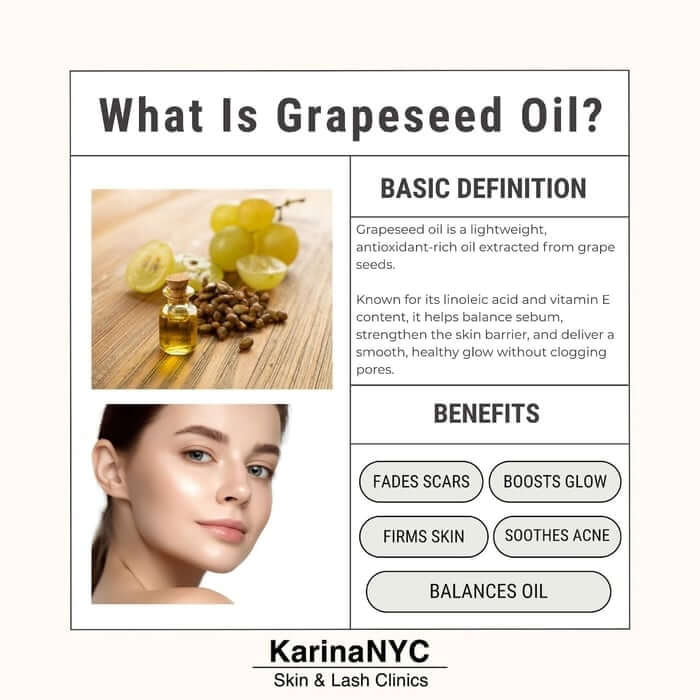
If you love a good glass of wine, you’ve already met the origin of one of skincare’s most underrated ingredients, grape seed oil.
Extracted from the seeds left behind after winemaking, this oil is light, silky, and surprisingly potent. I’ve tested countless oils over the years, and few deliver that rare balance of comfort and breathability that sensitive skin craves quite like this one.
Cold-pressed grape seed oil is naturally rich in linoleic acid (omega-6), vitamin E, and phenolic antioxidants, three components that help calm irritation and replenish the skin barrier without clogging pores.
It’s a perfect match for skin that can’t tolerate heavier, occlusive oils like coconut or olive.
The texture sinks in almost instantly, leaving skin soft but never greasy, a detail my clients with reactive or combination skin immediately notice after their first treatment.
How It Works For Sensitive Skin
Sensitive skin is often misunderstood, it’s not “weak,” it’s reactive.
When your barrier is compromised, everything stings, burns, or flakes. Grape seed oil helps break that cycle. The linoleic acid reinforces the skin’s natural lipid layer, reducing transepidermal water loss (the invisible dehydration that triggers redness and tightness).
Meanwhile, the oil’s antioxidants and polyphenols soothe inflammation before it spirals into irritation. That’s why I love using it post-facial, after exfoliation, or even following retinoid use.
Many of my clients on tretinoin find that a few drops of high-quality grape seed oil mixed into their nighttime moisturizer make all the difference, it eases dryness and speeds up recovery without interfering with their prescription.
When your skin feels calm, it heals faster. When it heals, it becomes stronger. That’s the quiet power of this ingredient, it restores balance without fanfare.
Is All Grape Seed Oil the Same?
Not all grape seed oil is created equal, and just like wine, how it’s made matters.
Cold-pressed oil is the gold standard, preserving antioxidants and nutrients that expeller-pressed versions lose to heat. Storage is just as important: oils exposed to sunlight or heat can become oxidized, irritating the very skin they’re meant to soothe.
And while you might find grape seed oil at the grocery store, food-grade versions are made for flavor, not for your face.
KarinaNYC only uses cosmetic-grade, cold-pressed oils that are properly filtered and packaged for skin safety. The difference is real, and your skin can feel it.
The Gentle Overachiever: What Grape Seed Oil Does For Your Skin
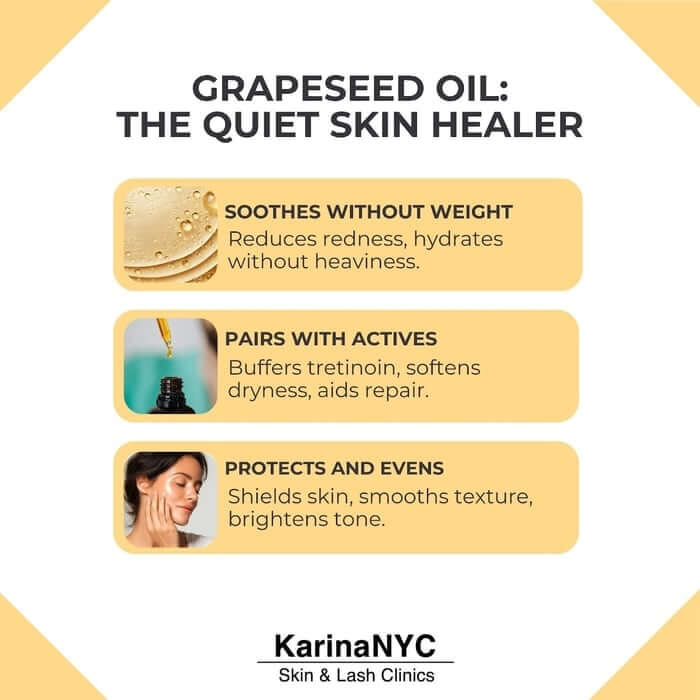
Grape seed oil doesn’t shout, but it shows up. In my treatment room, it’s one of the few ingredients that consistently calms, heals, and strengthens sensitive skin. Whether you're dealing with redness, breakouts, or post-treatment dryness, this lightweight oil delivers quiet results that last.
Here's why I keep reaching for it.
Soothes Without Clogging Or Weighing Skin Down
Grape seed oil calms redness and flare-ups without suffocating the skin. It’s light, breathable, and won’t clog pores, ideal for rosacea, post-picking irritation, or hormonal breakouts.
Clients love mixing a drop or two into their moisturizer at night. It helps accelerate healing and reduce inflammation without triggering new breakouts.
Pairs Perfectly With Tretinoin And Other Actives
If you’re on tretinoin, you know the dryness and peeling that can come with it. Grape seed oil acts as a gentle buffer, softening side effects without interfering with results.
We recommend applying it after your retinoid or blending it into your cream. It supports skin repair while keeping irritation in check.
Protects, Repairs, And Gently Evens Tone
Rich in antioxidants like resveratrol and vitamin E, grape seed oil shields skin from daily stress. It also helps calm the inflammation behind dark spots and pigmentation.
Used consistently, it improves texture and gives skin a firmer, smoother look. For clients dealing with melasma or dullness, it’s a quiet but powerful fix.
Grape Seed Oil Rules: What to Leave Out of the Routine
If you’ve got sensitive skin, how you use grape seed oil matters just as much as the oil itself. I always recommend starting at night, when your skin’s in repair mode.
A few drops patted over moisturizer helps seal in hydration and create a breathable, antioxidant-rich shield.
If you’re using tretinoin or other actives, blend a drop into your cream to buffer dryness, never apply it directly underneath, or you risk irritation.
Pro tip: decant the oil into a dark glass dropper bottle to keep it stable and make dosing easy, especially when your skin feels reactive.
The Don’ts Of Using Grape Seed Oil For Sensitive Skin
Grape seed oil is gentle, but it’s not foolproof. When used the wrong way or mixed with the wrong products, it can irritate instead of heal. If your skin is reactive, these common mistakes could be holding you back.
Here’s what to avoid so your skin gets the full benefit.
Be Careful With Acids
Grape seed oil doesn’t mix well with strong exfoliants. If you’re using glycolic or salicylic acid, always let them fully absorb before applying oil, layering too soon can cause stinging or flare-ups.
Apply the oil last, and only if your skin has tolerated that acid before. Otherwise, skip it on exfoliation nights.
Avoid Essential Oil Mixes
Just because something is natural doesn’t mean it’s safe. Essential oils can be highly sensitizing, especially when mixed with grape seed oil in DIY blends.
Unless you’ve patch-tested and are sure your skin loves the combo, don’t mix them. For sensitive skin, less is always more.
Store It Like You Care
Grape seed oil is delicate. Exposure to heat, steam, or sunlight can cause it to oxidize and lose its soothing benefits.
Always choose a cold-pressed oil in amber glass and store it in a cool, dark place. Oxidized oil won’t just stop working, it can make your skin worse.
The Real Talk On Grape Seed Oil For Sensitive Skin
You’ve heard the hype, but when it comes to sensitive skin, results matter more than trends. In my practice, I’ve seen what works and what doesn’t.
Grape seed oil can be a game-changer, but only when used correctly. Here’s what you need to know before adding it to your routine.
Will It Break Me Out?
Grape seed oil is non-comedogenic and won’t clog pores for most people—but quality matters. At KarinaNYC, we use only cold-pressed, cosmetic-grade oils because we’ve seen how they calm, not congest, sensitive skin.
If you’re reactive, patch test first. Most clients are surprised: no breakouts—just soft, hydrated skin.
Is Expeller-Pressed Oil Less Effective?
Yes, it often is. Cold-pressed oil keeps more antioxidants like vitamin E and polyphenols intact, while expeller-pressed loses potency from heat.
For healing routines, always choose cold-pressed. You wouldn’t drink wine from burnt grapes—same goes for what you put on your face.
Can I Use It With Tretinoin?
Absolutely. Grape seed oil is one of our favorite ways to buffer irritation from tretinoin without disrupting results.
Use it after application or mix a drop into your moisturizer. It cushions the dryness and makes active use more tolerable.
How Long Until I See Results?
You’ll feel hydration instantly—less tightness, better texture. Makeup sits smoother, too.
For fading marks or redness, expect visible improvement in 2–4 weeks with consistent use. This oil works gradually but reliably.
What If I’m Allergic To Grapes?
Skip it completely. Natural doesn’t mean safe if you have a known grape allergy.
There are other soothing options we can use—we never gamble with your skin at KarinaNYC.
Biologique Recherche Formulas That Calm With Grape Seed Oil
At KarinaNYC, we’ve spent years testing and curating skincare that meets one gold standard: it has to work. Especially for sensitive skin.
Grape seed oil shows up in some of our favorite Biologique Recherche formulations, not as a trend ingredient, but as a quiet powerhouse that helps skin heal, hydrate, and stay resilient.
1. Masque Biosensible
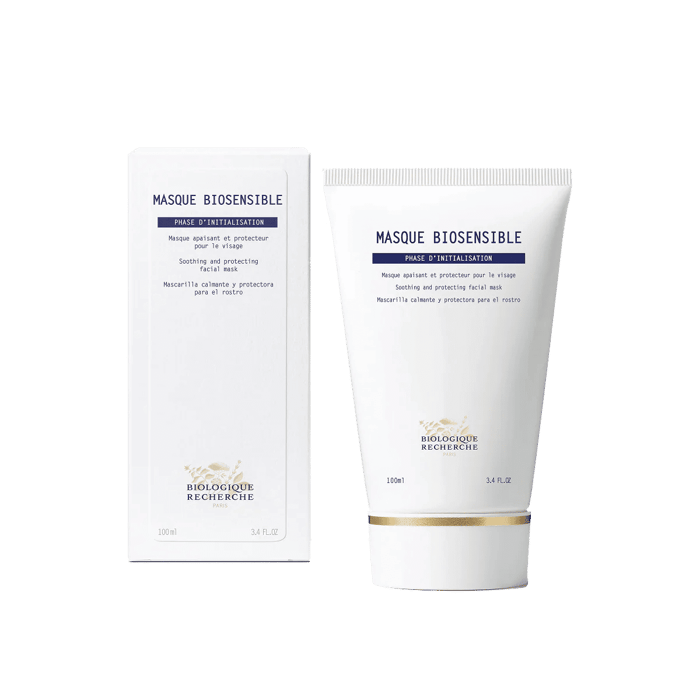
I use this mask personally on days when my skin feels overworked, oversensitized, or overstimulated.
It’s packed with ingredients that calm inflammation and restore balance, and grape seed oil is part of that gentle recovery cocktail. Perfect after treatments, workouts, or simply too much stress.
2. Emulsion Gel Biosensible
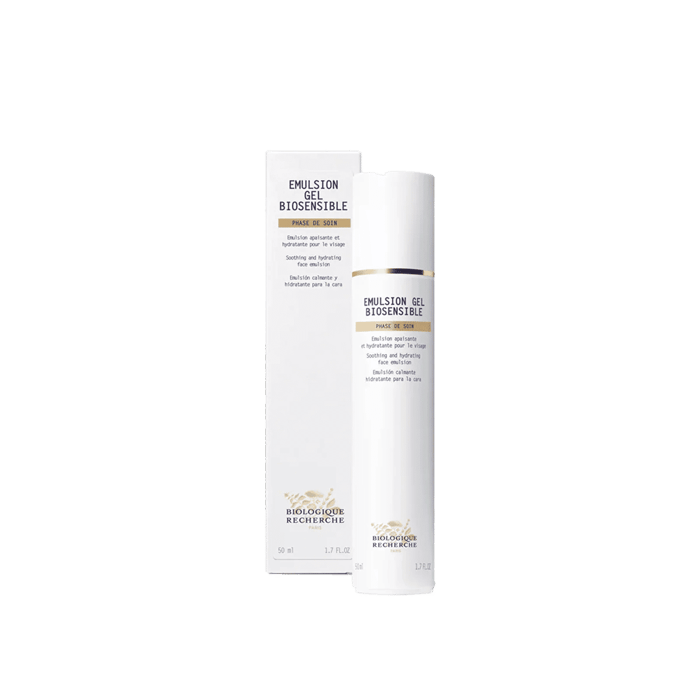
If your skin flushes easily or reacts to touch, this emulsion is a lifesaver. It’s cooling, lightweight, and instantly comforting.
The grape seed oil offers antioxidant defense while helping reduce the sting and heat that often comes with sensitive flare-ups. We use it often post-extraction or after a day in the sun.
3. Sérum Biosensible
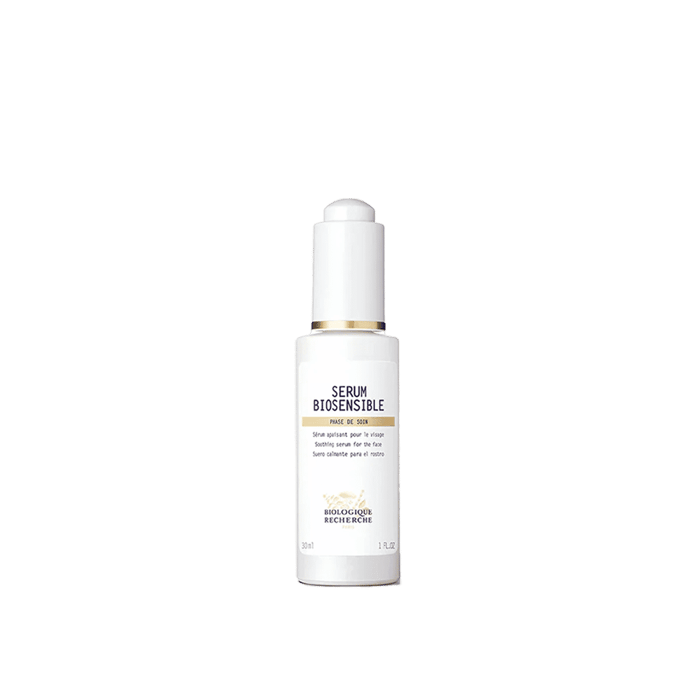
This serum was made for skin that can’t seem to tolerate anything. We introduce it gently in client routines when everything else feels like too much.
The grape seed oil here works alongside other barrier-strengthening ingredients, offering a layer of nourishment without tipping skin into overload.
4. Creme Dermo-RL
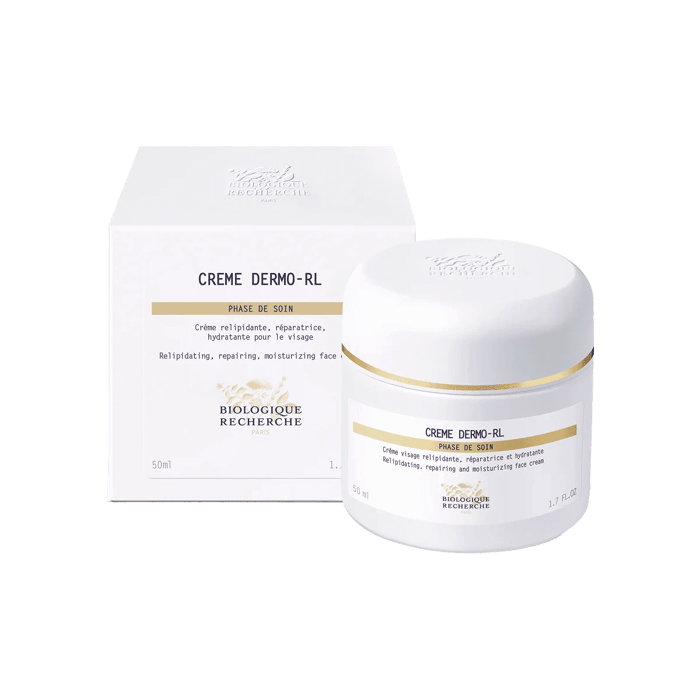
This rich, restorative cream is our go-to for dry, fragile skin that’s lost its bounce. Think post-peel, winter skin, or skin on long-term retinoids.
Grape seed oil acts as a sealing agent, helping trap moisture inside and support recovery. Clients love it when they feel like their skin is “tight and tired.”
5. Sérum Yall-O2
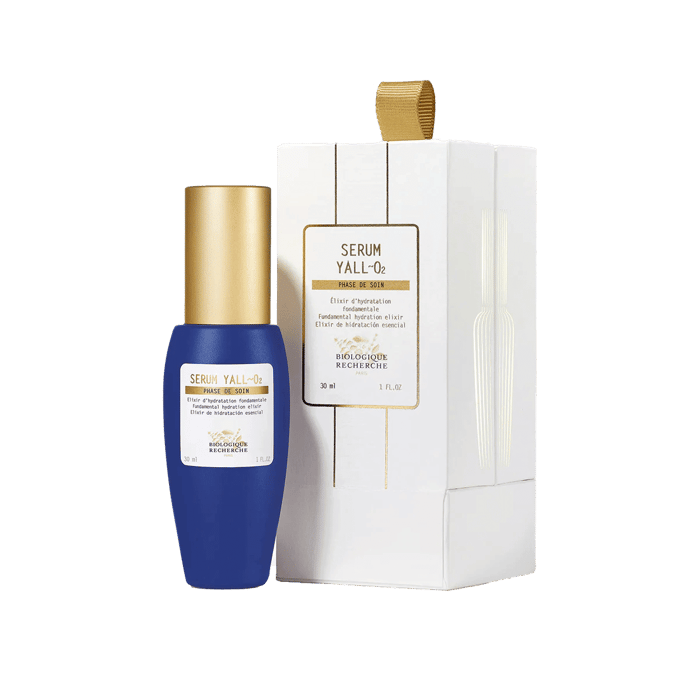
This is one of my go-to layering serums for sensitive clients needing a hydration boost without weight. It delivers a blend of humectants and oxygenating ingredients, and grape seed oil brings its calming, micro-irritation-soothing properties to the mix.
Ideal post-travel, post-laser, or anytime your skin is parched but reactive.
Why Sensitive Skin Requires A Smarter Approach

If your skin flares up with even the gentlest products, you’re not broken, and you’re not alone. At KarinaNYC, we’ve helped thousands of clients move from reactive to resilient.
Grape seed oil can absolutely help soothe and strengthen your skin, but only if it’s the right version, used in the right way, for your skin’s current state.
💡 Here’s how KarinaNYC helps:
🧴 1-on-1 Skin Consultation
We don’t guess. We evaluate your skin, your lifestyle, and your goals. You walk away with a routine that actually works, designed by people who live and breathe skin.
✨ Curated Biologique Recherche Shop
Every product we carry, like our BR grape seed oil formulas, is tested in-house. We only recommend what we trust, and what we use ourselves.
🛁 Signature Sensitive Skin Facials
Experience calming, restorative facials built around ingredients like grape seed oil, tailored for your skin’s mood, not a one-size-fits-all protocol.
When your skin feels like it’s constantly on edge, don’t just reach for a product, reach for a plan. That’s what we’re here for. And we promise, your skin can feel better. Let’s start together.