Milk proteins reduce inflammation, improve skin hydration, and support the skin barrier, making them ideal for sensitive skin. These proteins soothe redness, minimize irritation, and help skin repair faster, especially when used in well-formulated skincare.
Milk proteins aren’t just trendy, they’re one of the most overlooked, effective ingredients for treating sensitive skin without irritation. Rich in bioactive peptides, these proteins offer hydration, protection, and support for compromised skin barriers.
At KarinaNYC, we’ve seen real results using milk-protein-based solutions for rosacea, post-procedure recovery, and chronic sensitivity.
If you’ve tried “soothing” products that did nothing, or worse, made things worse, keep reading.
Why Milk Proteins Are The Unsung Heroes Of Sensitive Skin
When someone comes to me with sensitive skin, redness, stinging, flaking, or that dreaded “my face hates everything” feeling, milk proteins are often my starting point.
They’re not trendy or flashy, but when used correctly, they’re one of the most effective ingredients for calming and repairing fragile skin.
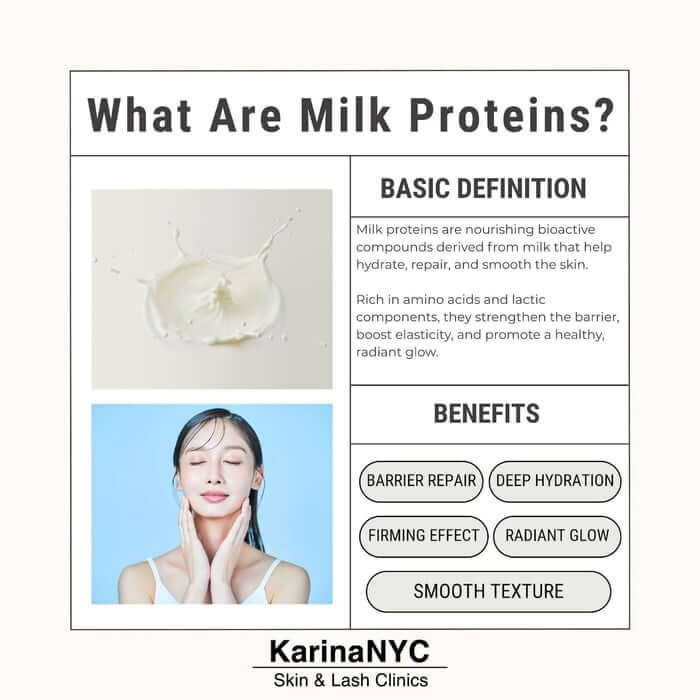
Milk proteins like casein, whey, and lactoferrin are natural compounds found in cow, goat, or sheep milk. In skincare, they act like a hydrating, healing blanket, binding moisture, reducing inflammation, and soothing irritation without clogging or stinging.
Their pH compatibility and microbiome support make them ideal for post-treatment recovery or flare-ups from over-cleansing or harsh products.
What I love most? They work with your skin, not against it. I only use hydrolyzed formulas that penetrate deeply without leaving residue, and I test every product myself before it ever touches a client’s skin.
When used right, milk proteins don’t just calm, they teach your skin how to function again.
The Truth About Milk Proteins in Skincare
Less is more, but only if “less” is smart. Milk proteins fall into that rare category of ingredients that are deeply active without being aggressive.
That’s gold for compromised skin.
Why My Sensitive Clients Love Milk Proteins
One of the first things clients notice? Hydration without heaviness.
Milk proteins form a breathable, lightweight film that locks in moisture without clogging pores or feeling sticky. I think of them as a calming blanket for irritated skin, perfect after a peel, a flight, or a little too much exfoliation.
They’re also incredibly versatile. Gentle enough for rosacea, yet effective for acne-prone skin thanks to lactoferrin’s antimicrobial action. Beyond calming, milk proteins help rebuild the skin barrier, making them a go-to in nearly every post-treatment recovery plan I create.
Why Milk Proteins Work Better Than You Think
What many people don’t realize is that milk proteins also help regulate oil in dehydrated-yet-oily skin types. I’ve seen it time and again: clients with shiny T-zones but dry cheeks get balance back faster when we layer a milk protein serum under a light moisturizer.
They also:
- Smooth out flaky patches without exfoliating
- Calm that telltale stinging or itching from barrier damage
- Play really well with ceramides and niacinamide to rebuild resilience from the inside out
A lot of clients come in thinking oat or calendula are the gold standard for sensitive skin. And while those are lovely, I’ve personally found milk proteins work faster, especially when inflammation meets dehydration.
What Not To Mix With Milk Proteins
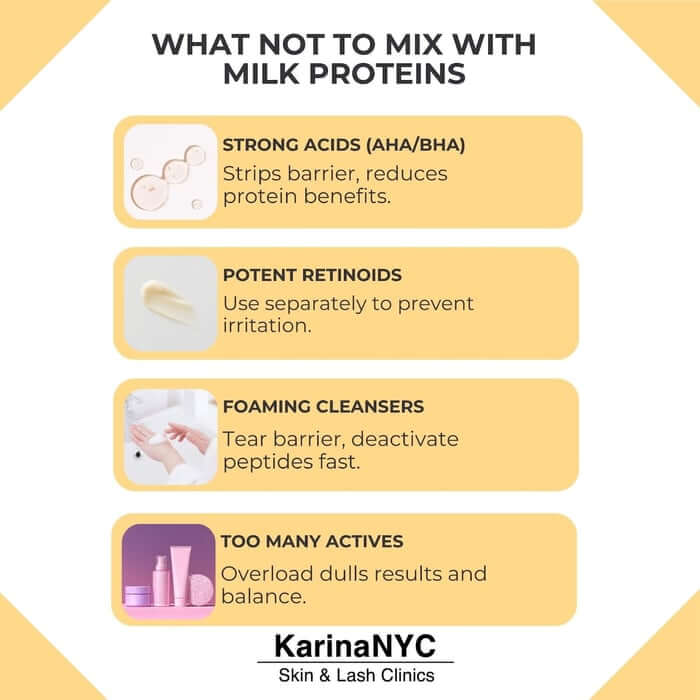
This part matters just as much. I can’t count how many times a client tells me a milk-protein-rich product “didn’t work,” only to find out they were layering it with strong acids or foam cleansers that strip everything away.
Here’s what to avoid:
- AHA/BHA exfoliants, especially if you're using goat milk serums or fermented formulas
- Strong retinoids, unless you’re guided through it professionally
- Foaming cleansers that tear down your barrier, these can deactivate peptides and undo all your good work
- Too many actives at once, milk proteins thrive when your routine is calm, simple, and consistent
Pro tip: If you’re introducing a milk protein product, give it space to shine. Don’t crowd it out with 3 acids and a prescription gel. Your skin deserves better than that kind of chaos.
Can I Use Milk Proteins With Acids?
Not ideally. One client I worked with had flaring and sensitivity after using an AHA with her goat milk serum. The fix? We rotated her acids to nighttime, kept the milk protein for mornings, and her skin balanced beautifully.
Milk proteins are smart. But your routine has to be, too.
Barrier Repair Starts Here: BR Pairings For Your Milk Protein Routine
When I build a sensitive skin protocol, I always look for synergy, not just in ingredients, but in how products perform together.
Milk protein–based skincare is a beautiful foundation for calming and replenishing stressed skin, but pairing it with the right Biologique Recherche formulas is what truly accelerates barrier repair.
The products below either contain milk-derived proteins or are clinically supportive of a milk-protein routine. Each one plays a precise role in helping fragile, reactive skin heal stronger, calmer, and more resilient over time.
1. Crème Hydravit’S
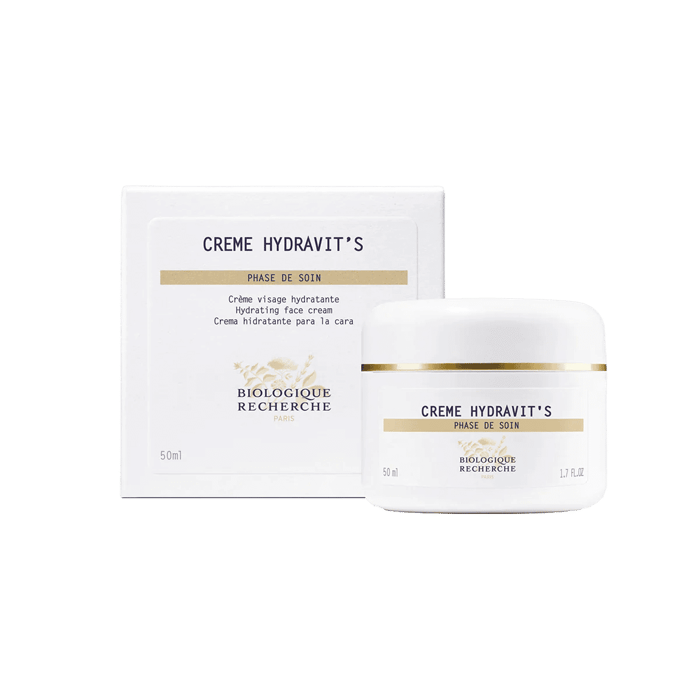
When a client’s skin is both dehydrated and sensitive, this is the cream I reach for. It delivers water-based hydration in a light yet comforting texture that doesn’t overwhelm fragile skin.
Formulated with milk protein and vitamin-rich botanicals, it revives dull, tired skin while respecting a compromised barrier.
It’s especially helpful during seasonal transitions or post-travel recovery, when skin needs a gentle nudge back to balance without any guesswork.
2. Sérum Colostrum
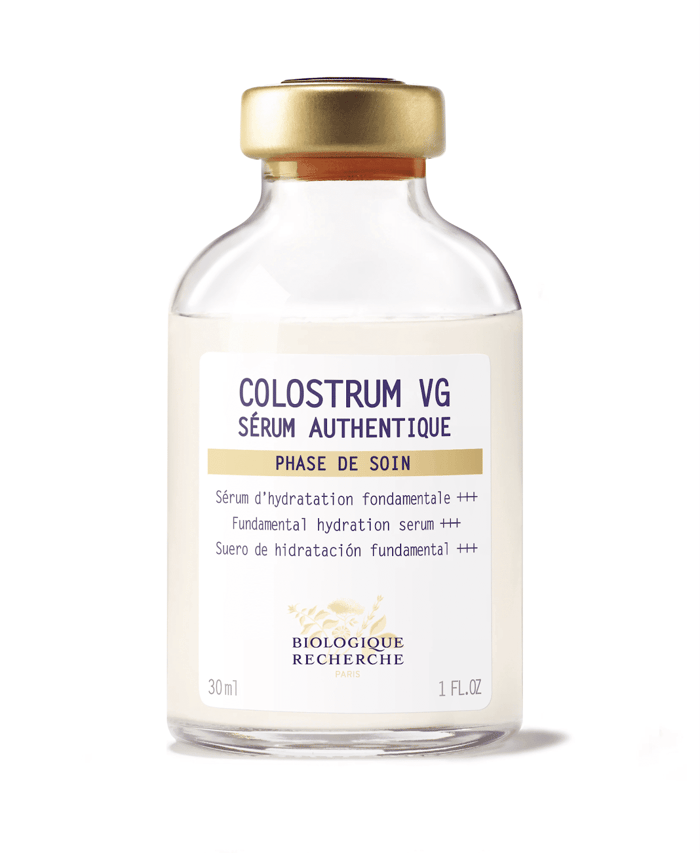
This is my top choice when skin feels parched, fragile, or like it’s lost its bounce. It’s formulated with colostrum, a milk-derived ingredient that delivers deep, nourishing hydration without weight or residue.
I use it during barrier repair protocols, especially for clients recovering from seasonal dryness, retinol irritation, or travel stress. It cushions the skin, restores comfort, and creates the kind of dewy, supple finish that lets you know your barrier is on the mend.
3. Creme Masque Vernix
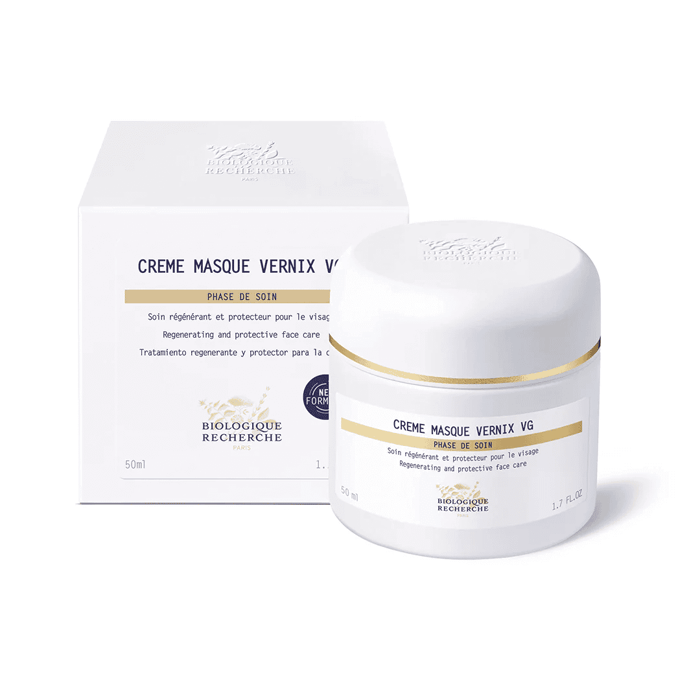
Imagine being able to press reset on your skin overnight. This mask was inspired by the vernix caseosa, the creamy protective layer babies are born with, and it mimics that same lipidic shield using milk protein lipids.
It’s soothing, protective, and unmatched for post-procedure recovery. After microneedling or lasers, this is always step one in our healing protocol.
4. Crème Grand Millésime
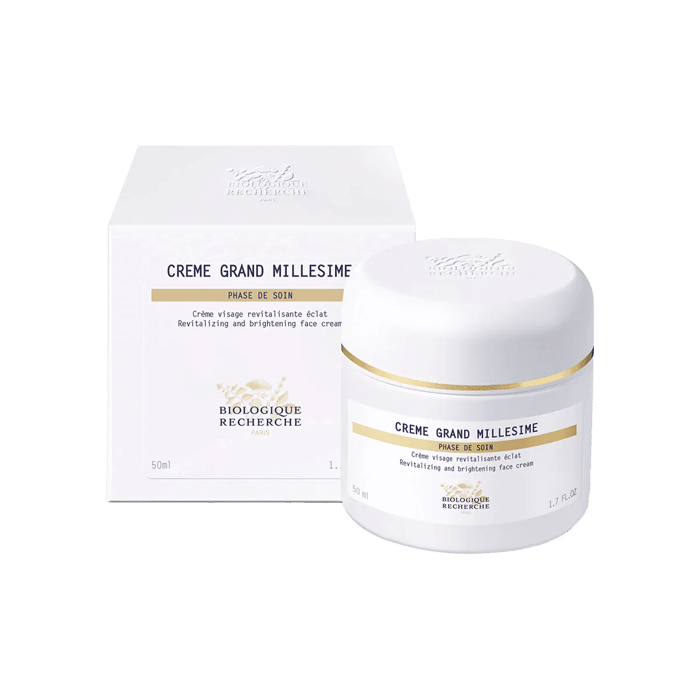
This one’s a client favorite for a reason. It’s like a rich velvet wrap for skin that feels dull or depleted. The colostrum hydrates while yeast extract supports cellular regeneration, ideal for when you’re recovering from irritation but still want a radiant boost.
I often layer this on clients who say, “I want something comforting, but I don’t want to look flat.”
5. Serum Extraits Tissulaires
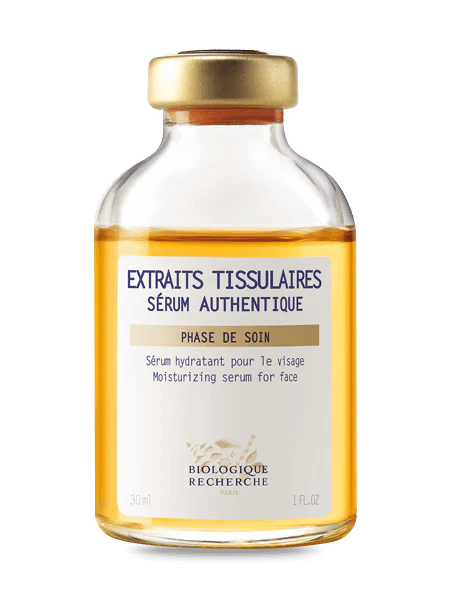
Sensitive skin isn’t always dry, sometimes it’s oily and still reactive. That’s where this serum shines. It’s water-light but delivers potent hydration via tissue extracts and peptides (including milk-based ones).
It helps regulate sebum and restore balance without any heaviness. Paired with Creme Masque Vernix, it becomes a client-favorite combo we lovingly call “barrier rehab in a bottle.”
6. Lait Dermo-S
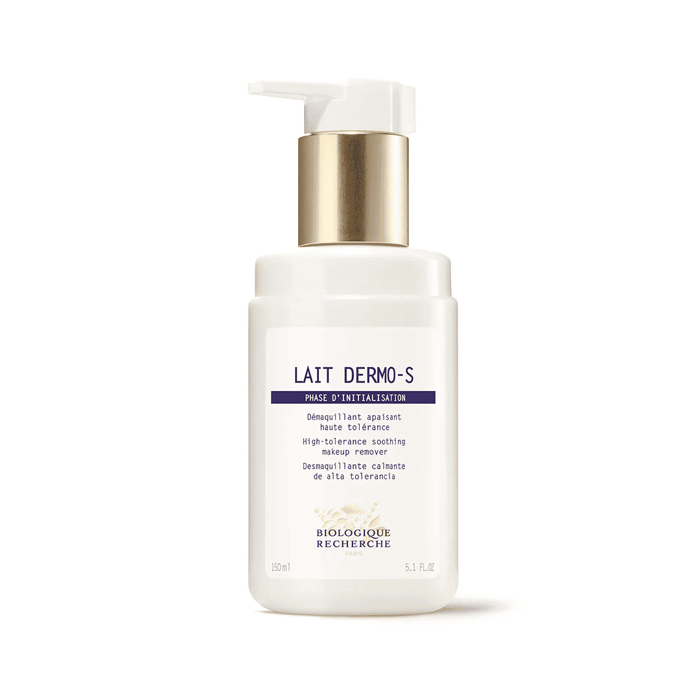
If you’ve ever said, “Even cleansers make me red,” this is the one I reach for.
Lait Dermo-S is a milk-protein-infused cleansing milk that gently removes debris and makeup without disrupting the skin’s protective barrier. It doesn’t foam, it doesn’t strip, and it leaves skin feeling calm, not squeaky.
I often start clients here before introducing any other treatment product.
Worried About Milk Proteins? Here’s What You Should Know
When it comes to sensitive skin, even the gentlest ingredients can raise a lot of “what ifs.” I hear these questions every day, and they’re absolutely valid. If you’ve been burned (sometimes literally) by past products, it makes sense to be cautious.
So let’s walk through the most common concerns I hear about milk proteins in skincare, and what I’ve seen firsthand over years of treating reactive skin.
Can Milk Proteins Trigger Dairy Allergies?
Most milk proteins in skincare are hydrolyzed and don’t contain lactose, the component responsible for most dairy intolerances. That said, your skin is still unique.
I always recommend patch testing first, especially if you have a known dairy allergy. At KarinaNYC, we’re careful not to assume anything. We test slowly, one product at a time.
Why Do Some Milk Creams Sting On First Use?
If your barrier is compromised, say from too much exfoliation, a peel, or even weather changes, your skin might be too raw to handle even soothing ingredients. That doesn’t mean the product is wrong for you. It just means you need to buffer.
I usually start these clients on Masque Biosensible or even Lait Dermo-S to stabilize first, then slowly layer in milk protein treatments. Your skin will tell you when it's ready.
Will Milk Proteins Clog Pores?
Not if you’re using well-formulated, professional-grade products. The problem isn’t the milk protein, it’s what’s around it.
Many mass-market milk skincare products are loaded with comedogenic oils or fillers.
KarinaNYC avoids those entirely. Our go-to products are tested on acne-prone and sensitive skin alike. And if you’re particularly breakout-prone? Just don’t layer them with heavy occlusives unless we’ve customized your routine together.
Ready for Skin That Actually Heals? Sensitive Skin Recovery Starts Right Here

If your skin feels like it’s been on a rollercoaster, burning, stinging, flaking, or just never quite calm, I want you to know you’re not alone. I see this every day. Many of my clients come to me after trying everything labeled for “sensitive skin”, only to end up worse.
The truth? Most of what’s marketed as gentle just isn’t designed to heal. If you’re managing:
- Post-treatment skin that won’t settle
- Ongoing redness or unexpected flare-ups
- That tight, itchy feeling after cleansing
- “Sensitive skin” formulas that leave you frustrated
Then it’s time to reset your skin’s foundation.
Milk proteins are one of the best-kept secrets for calming inflammation while actually rebuilding the barrier. They hydrate without heaviness, calm without compromising, and help your skin act like skin again.
KarinaNYC’s Sensitive Skin Solutions
Over the years, I’ve helped thousands of women (and men) learn how to listen to their skin and give it what it truly needs, not what the label says it should want.
Here's how I use milk proteins to help even the most reactive skin reset, rebalance, and glow:
🥛 Masque Biosensible
My go-to for rosacea-prone, post-retinol, or windburned skin. It creates a breathable lipid shield while delivering immediate hydration and calm. This is the first thing I reach for after any kind of barrier trauma.
✨ Crème Splendide A client favorite for hormonal skin or menopause-induced dryness. The colostrum gives just the right amount of plump without feeling greasy, especially important if you're breakout-prone but still dry.
🧴 Personalized Consultation
We don’t do cookie-cutter at KarinaNYC. Every product we recommend is matched to how your skin is behaving right now. Whether you're coming off a flare or just feeling dull and depleted, we’ll guide you step-by-step.
Let’s get you glowing, not guessing. You deserve more than trial and error. You deserve skin that feels like home.