Safflower oil hydrates dry skin by replenishing its lipid barrier with linoleic acid. It's lightweight, non-comedogenic, and soothes irritation without clogging pores, ideal for sensitive, dry, or flaking skin.
If your skin feels dry no matter what you apply, safflower oil may be the missing link. This underrated botanical oil is rich in linoleic acid, an essential fatty acid that deeply nourishes while remaining ultra-light on the skin.
At KarinaNYC, we often use safflower-based formulas to reset stressed or barrier-compromised skin. In this guide, we’ll explore how safflower oil works, what to avoid when using it, and the best Biologique Recherche options available.
Ready for calm, hydrated, happy skin? Let’s dive in.
Safflower Oil 101: The Gentle Oil That Transforms Dry Skin
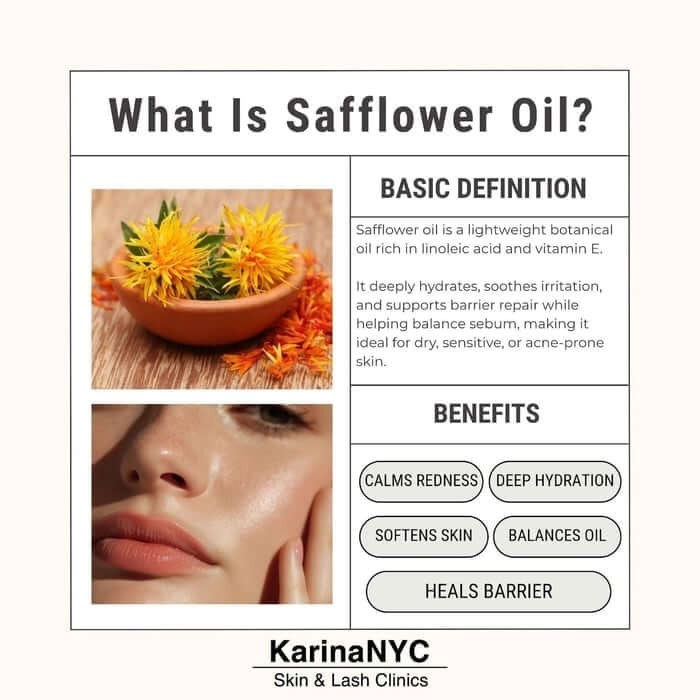
Safflower oil comes from the seeds of the Carthamus tinctorius plant, a thistle-like flower long used in beauty and medicine.
In skincare, it’s most often found as a carrier oil or infused into moisturizers and serums. While food-grade, cold-pressed versions can be used topically, essential oil forms are too concentrated and not ideal unless diluted properly.
What makes safflower oil stand out for dry skin is its ultra-high linoleic acid content, a fatty acid the skin needs to repair its moisture barrier and retain hydration.
Most people with dry or reactive skin are deficient in linoleic acid, which is why safflower oil doesn’t just sit on the surface, it restores. It rebuilds ceramides, softens flaky patches, and calms irritation without the weight of heavier oils.
I’ve used everything: sunflower, avocado, olive, and safflower wins when I want fast absorption, zero greasiness, and real results. It’s non-comedogenic (rated zero), making it perfect for oily-dry combo skin.
If your skin feels thirsty but fussy, safflower oil is that quiet, dependable fix that brings everything back into balance.
Why Safflower Oil Is A Game-Changer For Dehydrated Skin
When your skin feels tight, flaky, or easily irritated, the issue often isn’t lack of moisture, it’s a compromised barrier. That’s where safflower oil truly shines.
It’s not just a hydrator; it helps restore the skin’s protective lipid layer, especially when linoleic acid (its star component) is depleted.
Think of your skin barrier like a roof with missing shingles, moisture escapes, irritants get in. Safflower oil patches those gaps by supporting ceramide production, all without feeling heavy or greasy. It’s a breathable occlusive, meaning it locks in hydration while letting your skin function naturally, perfect post-exfoliation, after a long flight, or during winter.
For eczema, sensitivity, or skin that’s both dry and acne-prone, safflower oil calms without clogging.
I often recommend it after enzyme masks or treatments at KarinaNYC, especially when a client’s skin is fragile. It hydrates, soothes, and supports recovery without interfering with active treatments.
Can I Use It Daily?
Absolutely. If your skin is tight, flaking, or just feels “off,” safflower oil can be a daily staple.
For those with consistently dry or sensitive skin, I often suggest applying a few drops morning and night. If your skin is more combination or you’re in a humid climate, a few times a week might be enough.
Think of it as your skin’s comfort blanket, you’ll know when you need it.
Should I Use It Before Or After Moisturizer?
Always apply safflower oil after your water-based serums (like hyaluronic acid) but before any thicker creams or occlusive moisturizers. Oils help seal in hydration, not draw it in, so sandwiching them properly in your routine makes a huge difference.
And please, only a few drops. More isn’t more here.
Dry Skin? These Are the Benefits Of Using Safflower Oil
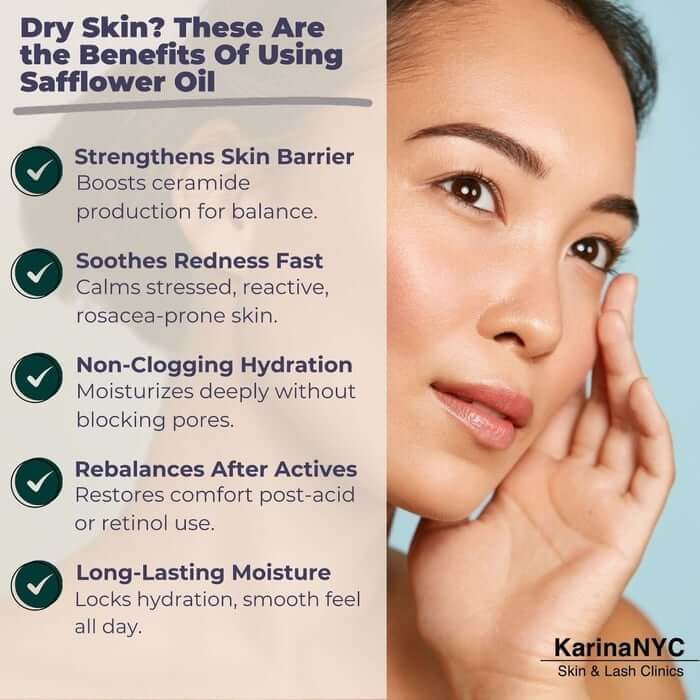
There are a lot of skincare oils that promise hydration, but very few actually strengthen your skin while doing it. That’s the real beauty of safflower oil. It doesn’t just sit on the surface.
It works with your skin’s natural biology to rebuild, restore, and calm, without the weight or the wait.
1. Strengthens The Skin Barrier
This is safflower oil’s superpower. It’s rich in linoleic acid, which your skin uses to make ceramides, those essential fats that hold your barrier together.
If your skin feels tight or flaky, chances are your ceramides are low, and safflower oil helps replenish them.
2. Soothes Redness And Sensitivity
One of the reasons I love using this oil in post-facial protocols is its natural ability to calm stressed skin. It’s perfect for clients prone to rosacea or redness, especially those who’ve overdone it with actives or environmental exposure.
3. Doesn’t Clog Pores
This is a big one: safflower oil is rated zero on the comedogenic scale. That means even acne-prone skin can use it.
It’s my go-to when someone comes in breaking out and dehydrated, a common pairing I see from over-cleansing or using too many stripping products.
4. Rebalances Skin Post-Acid Or Retinol Use
If you’re a fan of acids or retinoids (and I am, when used right), your skin needs support between treatments. Safflower oil offers that buffer, it nourishes and reinforces the skin’s barrier without interfering with actives.
In fact, it helps reduce the “purge” phase for many of my clients.
5. Provides Light But Long-Lasting Hydration
Unlike oils that sit on top of the skin, safflower oil absorbs quickly while still offering an occlusive effect that locks in hydration. It’s a beautiful option for daytime use, even under SPF or makeup.
6. Can Be Used Under Makeup Or SPF
This oil leaves no greasy residue. I’ve used it under tinted sunscreens, foundation, and even matte primers, no pilling, no shine. Just that healthy, balanced glow everyone’s chasing.
Pairing Safflower Oil Wrong? Here's What to Watch Out For
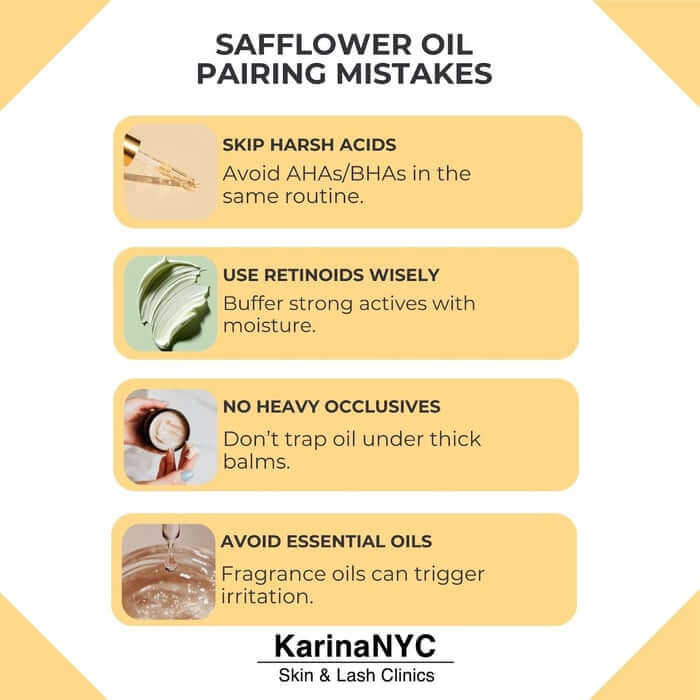
Even something as gentle and nourishing as safflower oil needs to be paired thoughtfully.
One of the biggest mistakes I see, especially with my clients who have dry or sensitive skin, is mixing incompatible ingredients and expecting miracles.
Skincare is chemistry, and your barrier has limits.
Skip Harsh Acids In The Same Routine
If you’re using exfoliants like AHAs (think glycolic or lactic acid) or BHAs (like salicylic acid), don’t layer safflower oil right after. These ingredients temporarily thin the skin barrier to promote cell turnover.
Adding oil immediately after can trap acids and extend their contact time, causing irritation. Instead, use safflower oil on off days to soothe and repair.
Be Cautious With Strong Retinoids
I love retinoids, but they’re strong. If you’re using a high-strength version (like prescription tretinoin), your barrier’s already working overtime.
Layering safflower oil can help reduce flaking and sensitivity, but only if paired with a good barrier serum or moisturizer in between. Otherwise, you risk overwhelming your skin.
Don’t Trap It Under Heavy Occlusives
Safflower oil is breathable, that’s part of what makes it special. But layering it under something like petrolatum (Vaseline) or waxy balms can trap heat and lead to congestion, especially if your skin is prone to breakouts.
If you're sealing everything in, make sure the oil goes after the heavier step, not before.
Avoid Sensitizing Essential Oils
I get it, citrus, peppermint, and tea tree oils sound refreshing, but when you’re treating dry or compromised skin, these can be triggers. Safflower oil works best in calm, fragrance-free routines.
The goal is to support your barrier, not challenge it with volatile compounds.
The Ideal BR Companions For Safflower Oil In Your Routine
At KarinaNYC, we don’t believe in layering for the sake of layering. Every product should have a purpose, and when it comes to dry, barrier-challenged skin, pairing safflower oil with the right companions can make all the difference.
These Biologique Recherche staples don’t contain safflower oil, but they complement its effects beautifully.
Masque Biosensible
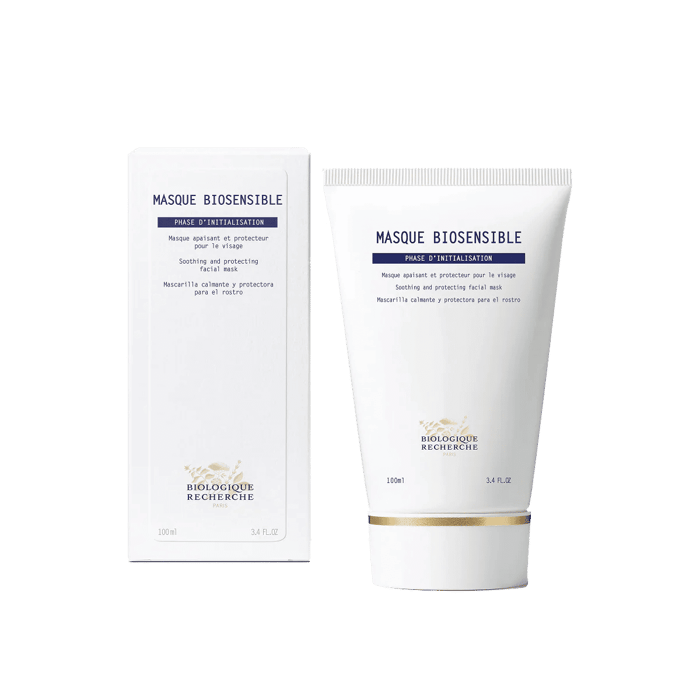
This is the one I grab when someone’s skin is “on fire.” Whether it’s from overexposure, windburn, or too many actives, Masque Biosensible immediately soothes and hydrates without overwhelming the skin.
It preps your canvas so safflower oil can glide on like silk and lock in the calm.
Crème Dermo-RL
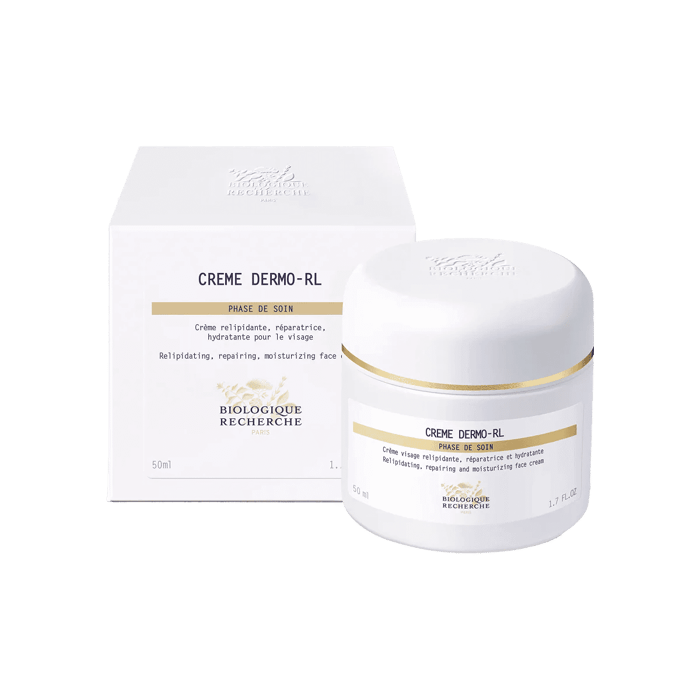
Think of this as your skin’s cashmere blanket. It’s loaded with lipids, cholesterol, and fatty acids that mimic what your barrier needs to thrive.
I love applying safflower oil first, then layering Crème Dermo-RL to really seal everything in, especially if your skin is cracking, flaking, or just screaming for relief.
Sérum TEWL
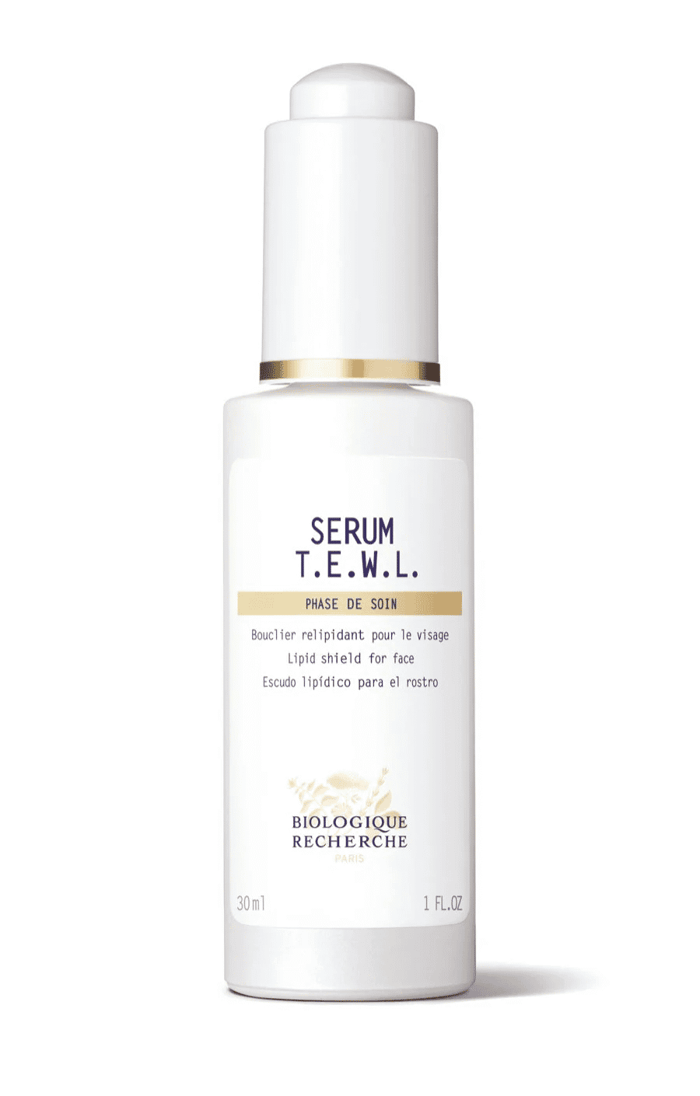
This serum is a dry-skin savior in the winter or after procedures. It helps prevent transepidermal water loss (TEWL), which is exactly what safflower oil does, but from the inside out.
Together, they’re a one-two punch of hydration and protection, especially when the weather isn’t on your side.
Lait Dermo-S
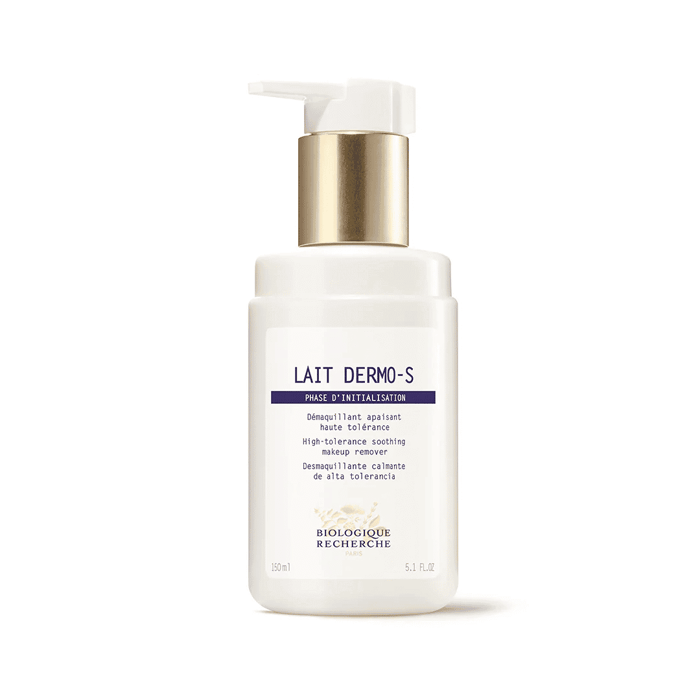
If you’re cleansing with harsh foams or scrubs, stop. Lait Dermo-S is a creamy, non-stripping cleanser that respects your barrier. It pairs perfectly with safflower oil because it doesn’t disrupt the lipids you’re trying so hard to restore.
Creme Masque Vernix
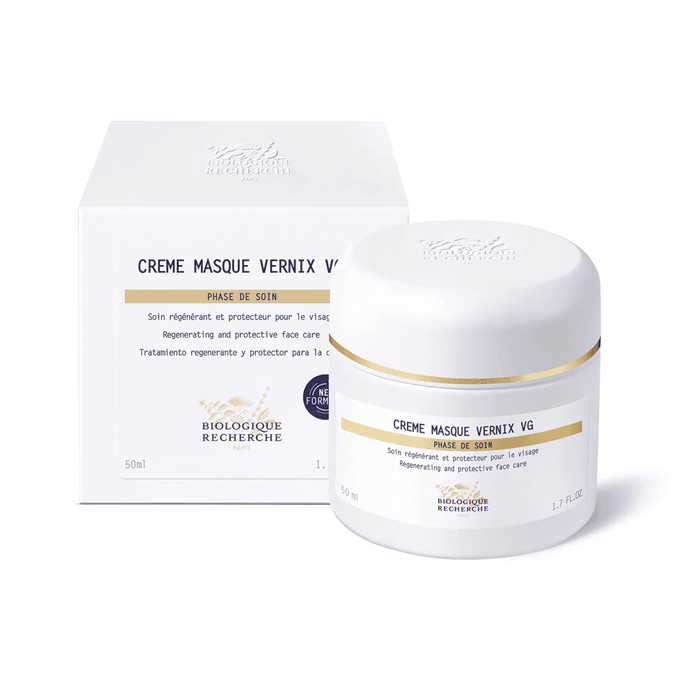
Use it after safflower oil for a deeply reparative overnight treatment. I often recommend this duo to clients traveling between climates or recovering from skin “burnout.” The results? Supple, happy, resilient skin.
Before You Try Safflower Oil, Read This First
Dry skin is personal. What works for one person might overwhelm another.
That’s why I love safflower oil, it’s one of the most adaptable ingredients in a skincare routine. Still, I get tons of questions, so let’s clear up the most common ones.
Will It Make My Skin Greasy?
Only if you overdo it. With oils, less is everything. Two to three drops pressed into damp skin is more than enough.
Safflower oil is one of the lightest oils out there, which is why I love using it under makeup or SPF. If it feels greasy, you’re likely using too much, or not applying it on top of properly hydrated skin.
What If It Causes Breakouts?
Safflower oil is non-comedogenic, but everyone’s skin is different. If you’ve had a bad experience with oils in the past, I recommend patch testing first, maybe just on your jawline or cheek. And steer clear of combining it with thick occlusives or heavy actives the first few times.
Give your skin time to adjust. Most of the time, breakouts are less about the oil and more about the overall routine.
Can I Mix It With My Serums?
Absolutely. In fact, one of my favorite tricks is layering safflower oil over hyaluronic acid or an aloe-based calming serum.
It helps seal in that hydration without disrupting the active ingredients. Just remember the golden rule of layering: water-based products first, then oil, then cream if you’re using one.
Done right, safflower oil amplifies your routine, it doesn’t compete with it.
Still Dealing with Flaky, Tight Skin? Let’s Change That

Dry skin isn’t just a texture issue, it can chip away at your confidence, slow your routine to a crawl, and make everything you apply feel like it’s just not working. I see this all the time. You've tried the oils, the creams, the serums... and your skin is still tight by noon.
KarinaNYC approaches skincare differently. We don’t do “off the shelf” solutions. We do real results, for real people, with skin that changes through seasons, stress, and life.
If you're someone who’s serious about healing, not masking, your skin barrier, you’re in the right place.
Here’s how we help you glow again:
💧 Free Virtual Consultation
Get clarity on your routine with a personalized consult. No more second-guessing product combos or wondering why your barrier isn’t bouncing back. We’ll show you exactly what your skin needs, and what to leave behind.
🌿 Curated Product Routines
We don’t just hand you a cleanser and wish you luck. We design full protocols around your skin, your climate, your lifestyle. Especially great if you’ve been traveling, switching climates, or your skin feels “off” with the seasons.
🌟 Karina-Approved Biologique Recherche Picks
Every product we recommend has been tested by me, in my own bathroom, and on clients who expect results. No fluff. No trendy hype. Just skincare that works for real skin, like yours.
You deserve to feel great in your skin. And if you’ve made it this far, you’re not just casually curious, you’re ready for change. Let’s make it happen.