
Sulfur treats clogged pores by dissolving dead skin cells, absorbing excess oil, and targeting acne-causing bacteria. It works best for blackheads and whiteheads, especially when used consistently and correctly.
Clogged pores are frustratingly usual; often showing up as blackheads, whiteheads, or textured bumps under the skin. They're not just a cosmetic nuisance, they’re a signal your skin’s natural renewal process is out of balance.
Sulfur, a time-tested ingredient, offers a powerful solution for clearing pores without harsh irritation. At KarinaNYC, we help our clients get real results using sulfur the right way, and we’ve seen the difference it can make.
Read on to discover how.
What Are Clogged Pores And Why Do They Happen?
Teens, professionals, even my most meticulous clients who double cleanse and follow every step have clogged pores.
Pores get clogged when dead skin, oil, and microscopic debris settle in your follicles and stay there, like uninvited guests at a dinner party.
When you're producing too much oil (hello hormones, stress, or diet), skipping exfoliation, or using products that are too heavy or just plain wrong for your skin type, the result is buildup. Add in NYC’s pollution and environmental stressors, and your skin’s natural detox system can’t keep up.
And dehydrated skin can be just as oily.
That tight, flaky feeling? That’s your skin screaming for water, not oil. But your body compensates by producing more oil, creating the perfect storm for congestion. Left alone, those clogged pores evolve into blackheads, whiteheads, dullness, and uneven texture. Not exactly the glow we’re all going for.
Sulfur: The Old-School Ingredient That Still Clears Pores
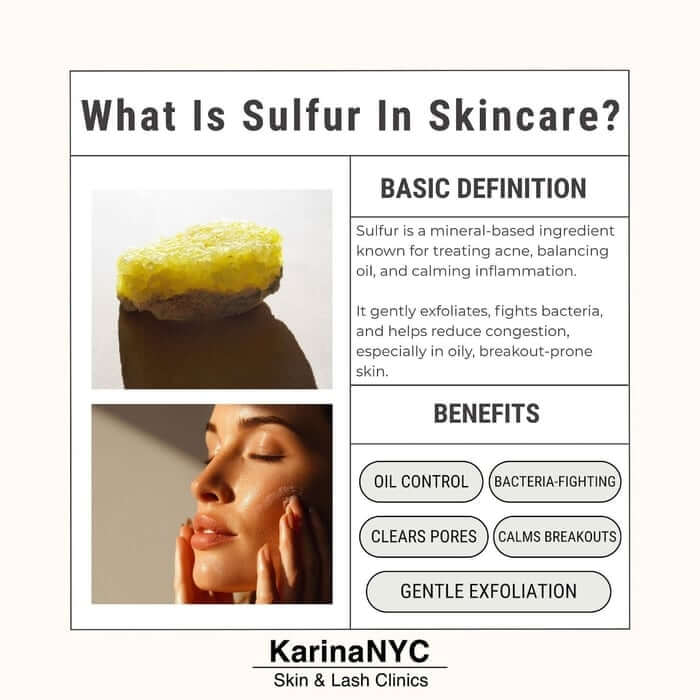
Sulfur is one of those old-school ingredients that never went out of style in my world, because it works. I’ve used sulfur myself and recommended it for years.
It's a naturally occurring mineral with two qualities that make it a skincare MVP: it's antibacterial and keratolytic, which is just a fancy way of saying it helps shed dead skin.
When I say sulfur helps with clogged pores, I mean it truly gets in there. It exfoliates gently, without scrubbing or scratching, and it dries up excess oil while calming inflammation. That’s why I often use sulfur masks in treatment when someone has congested skin but also sensitivity or reactivity.
It gets the job done without leaving your skin red and angry.
How Sulfur Targets Clogged Pores
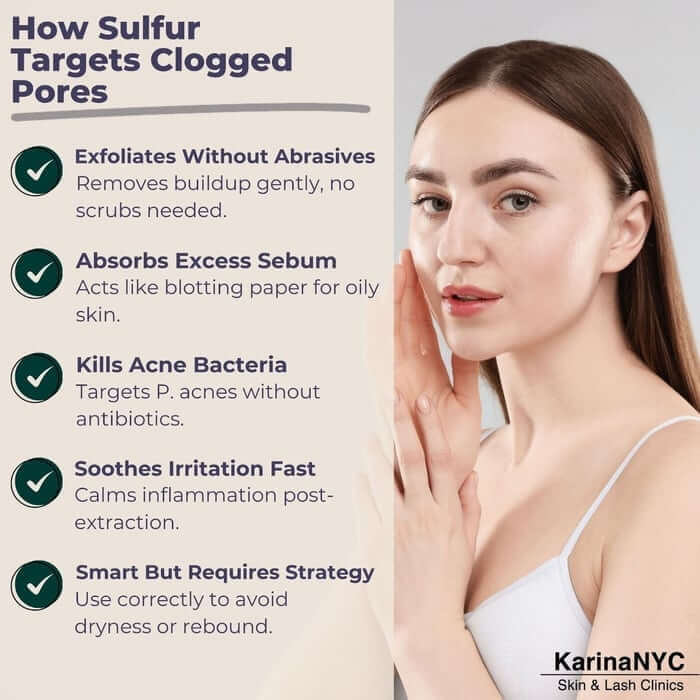
Let’s break it down, because sulfur is not a one-note solution, it’s multitasking magic:
- Gently exfoliates without any grains or abrasives. If your skin can't tolerate scrubs or acids, sulfur is like the quiet genius in the background doing the work.
- Soaks up excess sebum like a blotting paper, helping reduce shine and prevent new breakouts from forming.
- Targets acne-causing bacteria like Propionibacterium acnes, keeping flare-ups at bay without the antibiotic route.
- Soothes inflamed skin. A good sulfur product won’t leave you red or raw. In fact, when I use it post-extraction or during flare-ups, it actually calms the skin down.
Sulfur is smart skincare. But like anything powerful, it’s about using it correctly and understanding where it fits in your routine.
Using Sulfur Correctly: What I Tell Every Client
Sulfur works, but only when you know how to use it. This is one of those ingredients that gets misused all the time. I’ve had clients come in thinking they’re helping their skin by slathering on sulfur daily, and instead, their barrier is dry, flaky, and more reactive than ever.
It doesn’t need to be that way.
When to Use It
Sulfur is best treated like a treatment, something you bring in with intention, not just slap on every night. Here’s what I usually recommend:
- Oily or congested skin: 2–3 times a week is your sweet spot.
- Combination skin: 1–2 times a week is often enough.
- Daily use: Only under professional guidance. It’s rare that someone needs sulfur every day.
This is especially true if you’re already getting regular facials. I use sulfur strategically during decongesting phases of treatment, not as a constant.
What Not To Do
Don’t apply sulfur on broken or raw skin. It will sting, and it won’t help. Also, avoid layering it with other strong actives unless you're under professional care. I’ve seen sulfur paired with retinoids or strong acids, and let me tell you, it’s a fast track to barrier damage.
Skip products with unnecessary fragrance too. Sometimes it's not even the sulfur causing a reaction, it’s the fragrance covering up that classic eggy smell.
Can You Combine Sulfur With Other Products?
Yes, but you have to be smart about it. Sulfur isn’t a diva, but it needs the right supporting cast.
Great combos include:
- Niacinamide (if your skin tolerates it): Helps calm and rebalance.
- Lotion P50: I love using this earlier in the day or the day before, it helps balance the pH, which makes sulfur more effective.
- Hydrating serums: Sulfur can be drying, so layer with something like Amniotique VG or Extraits Tissulaires afterward.
What to avoid pairing with sulfur:
- Retinoids: Unless you're buffering and really know what you’re doing, this combo can over-strip the skin.
- Benzoyl peroxide or salicylic acid: These can be too harsh when used together with sulfur, especially for sensitive or dry types.
Know Your Skin
- If you're sensitive: Start slow. Patch test first, and always follow with a barrier-repairing product, something like Biosensible SR or even TEWL serum if you need lipid support.
- If you're dry or flaking: Don’t give up on sulfur. Just use it as a step, not a solution. Follow with hydration and something to seal it in.
Trust me, when sulfur is used properly, it becomes a powerful ally. And if you’re unsure how to work it into your routine, that’s where I come in.
My goal is to take the guesswork out and help you get real, visible results, without wrecking your skin in the process.
Top 6 Biologique Recherche Products For Clogged Pores
Not all sulfur products are created equal. And not all the best products for clearing pores even contain sulfur. What matters is how they fit into a full, strategic routine.
These are my top picks I keep in rotation at the studio, and in my own bathroom.
1. Masque Vivant
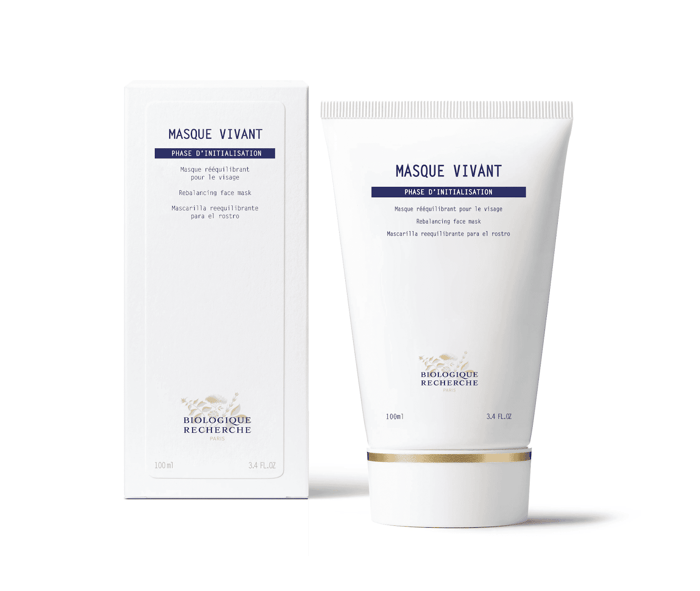
If you’ve been around here for more than five minutes, you know this is my holy grail for congestion. Masque Vivant is the closest thing to a skin reset in a jar.
With sulfur, yeast extract, and witch hazel, it rebalances oily zones, visibly refines pores, and brings the skin back into harmony. I’ve used this mask on everyone, from brides to breakout-prone teens.
The trick? Apply to dry skin and mist L’Eauxygenante over it to keep it active for 15 minutes. You’ll feel the difference.
2. Lotion P50 Original Or Lotion P50W
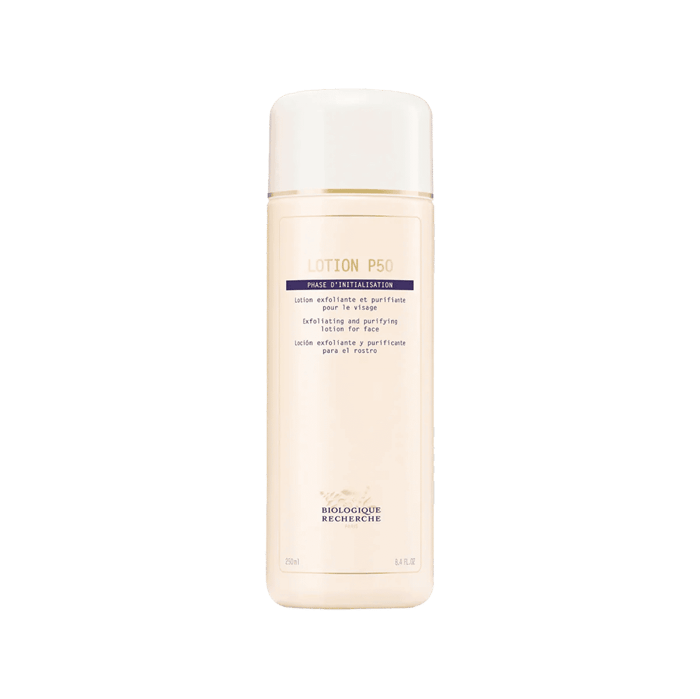
No, it doesn’t contain sulfur, but I wouldn’t dream of applying a sulfur mask without prepping the skin first with P50.
It gently exfoliates, balances the skin’s pH, and preps the surface so sulfur can penetrate more effectively. P50W is my go-to for sensitive skin; Original P50 for oilier types.
Think of it like brushing your teeth before whitening, you need a clean, balanced surface to make it work.
3. Crème Dermopurifiante
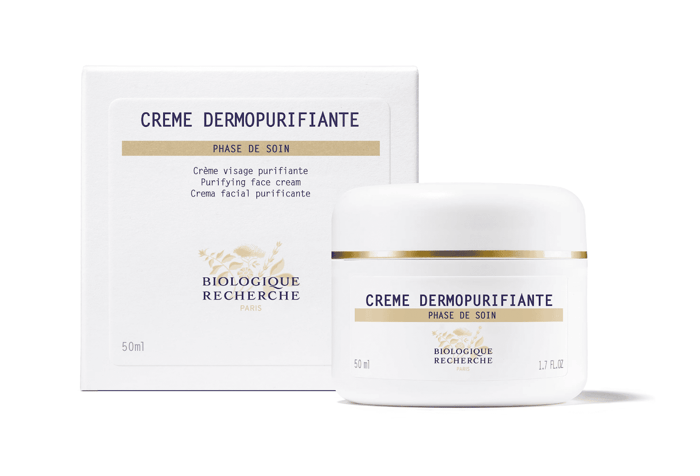
This one is quiet but mighty. It's not flashy, but it’s brilliant for post-mask skin. I often use it after Masque Vivant or extractions because it supports sebum regulation while keeping the skin calm, not stripped. For my clients who are oily but reactive, it gives them that “matte but not dry” finish we’re always chasing.
4. Biomagic Mask
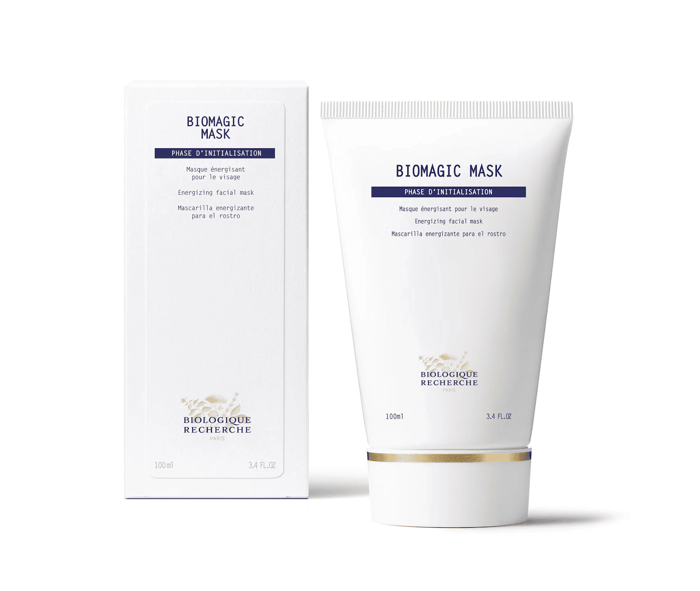
This mask doesn’t scream sulfur, but its clay base mimics many of the same benefits, drawing out impurities, tightening pores, and resetting the skin after extractions or travel.
I’ll sometimes layer it after Masque Vivant if someone needs a deep clean but also skin-tightening. If you’re not ready for the stronger BR masks yet, this is a great entry point.
5. Sérum Complexe Iribiol
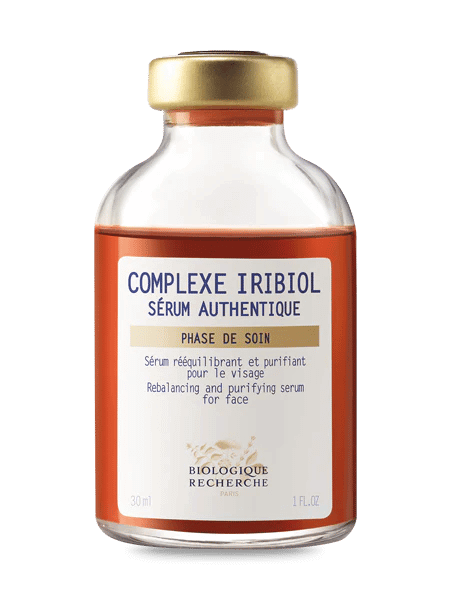
This serum is one of my favorite follow-ups to a sulfur mask. It balances oil production, soothes inflammation, and helps prevent future clogs.
I like to press it in right after masking while the skin is still slightly damp. It’s especially good for the t-zone or anyone who feels shiny by midday.
6. Sérum Dermopore
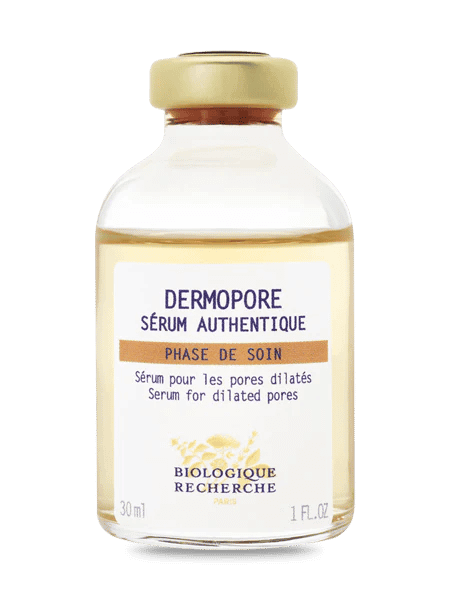
Sérum Dermopore works differently than Iribiol; it’s not about oil control alone, but visibly tightening enlarged pores and smoothing skin texture over time.
If your skin looks “bumpy” even after cleansing, this is the missing piece.
Clients love how it gives a more polished, even-toned appearance without making skin feel tight or dry. I often rotate this in after Complexe Iribiol, especially when we’re working on texture refinement post-acne or after a summer of clogged pores.
It plays beautifully under makeup too, like a serum that doubles as a primer.
Sulfur Confusion Is Real, Let’s Break It Down
Sulfur can clear pores, calm breakouts, and balance oily skin, but only if you know what you’re doing. I’ve seen it all: overuse, underuse, and flat-out misuse.
If you’re confused about when, how, or even if you should use sulfur, you’re not alone. Let’s clear things up, no guesswork, just results.
Can Sulfur Make Closed Comedones Worse Before They Get Better?
Sometimes, yes, but not because of purging. Overuse or lack of hydration can cause surface dryness, which traps debris. Start slow, and always follow with a hydrating or balancing serum like Complexe Iribiol.
Why Did I Break Out Worse After Using A Sulfur Mask?
It’s likely the formula, not the sulfur. Fragrance, alcohol, or layering with actives can trigger a reaction. Sulfur should be used on calm, intact skin to support, not stress, it.
Does Sulfur Thin The Skin Over Time?
No. Used properly, sulfur won’t thin your skin. Daily use or stacking it with strong actives is where damage happens. Cycle it in mindfully to improve texture without harming your barrier.
Why Does It Itch But Not Turn Red?
Mild itchiness often signals dehydration or pH imbalance, not irritation. If it fades quickly, you’re fine. If it lingers, hydrate well and consider switching formulas.
Can Sulfur Be Used Long-Term?
Yes, when cycled wisely. I recommend it seasonally or during congestion flare-ups. Use it with barrier support and hydration to keep skin clear and balanced over time.
Your Next Step: Want Results Without Guesswork?

If your bathroom is filled with half-used “pore-clearing” products that promised results but left your skin dry, red, or still congested, you're not alone. I see it every day.
Most of my clients aren’t skincare beginners. They’re smart, committed, and willing to invest, but without the right plan, that dedication can backfire.
At KarinaNYC, we don’t throw random products at your skin. We take a strategic, ingredient-aware approach that honors your skin’s unique needs.
Here’s what we help our clients achieve, without harsh stripping or endless trial-and-error:
✅ Rebalance oil production, without wrecking your barrier
✅ Clear deep-seated congestion, without purging nightmares
✅ Restore radiance, so your skin looks and feels like itself again
If you’re breakout-prone, barrier-damaged, or just tired of being disappointed, we can help.
Try These Client-Favorite Solutions:
✨ Masque Vivant
Legendary for a reason. I use this in the treatment room when I need a visible shift, especially after travel, breakouts, or that dull, waxy buildup.
✨ Free Virtual Consultation
Not sure if sulfur is right for your skin? Let’s talk. We’ll guide you toward a BR routine that clears without overcorrecting.
✨ Complexe Iribiol Serum
This is the secret weapon after any decongesting mask. It brings everything into balance, oil, texture, and tone.
Your skin deserves better than guesswork. Let’s make your next skincare move the one that actually works.